

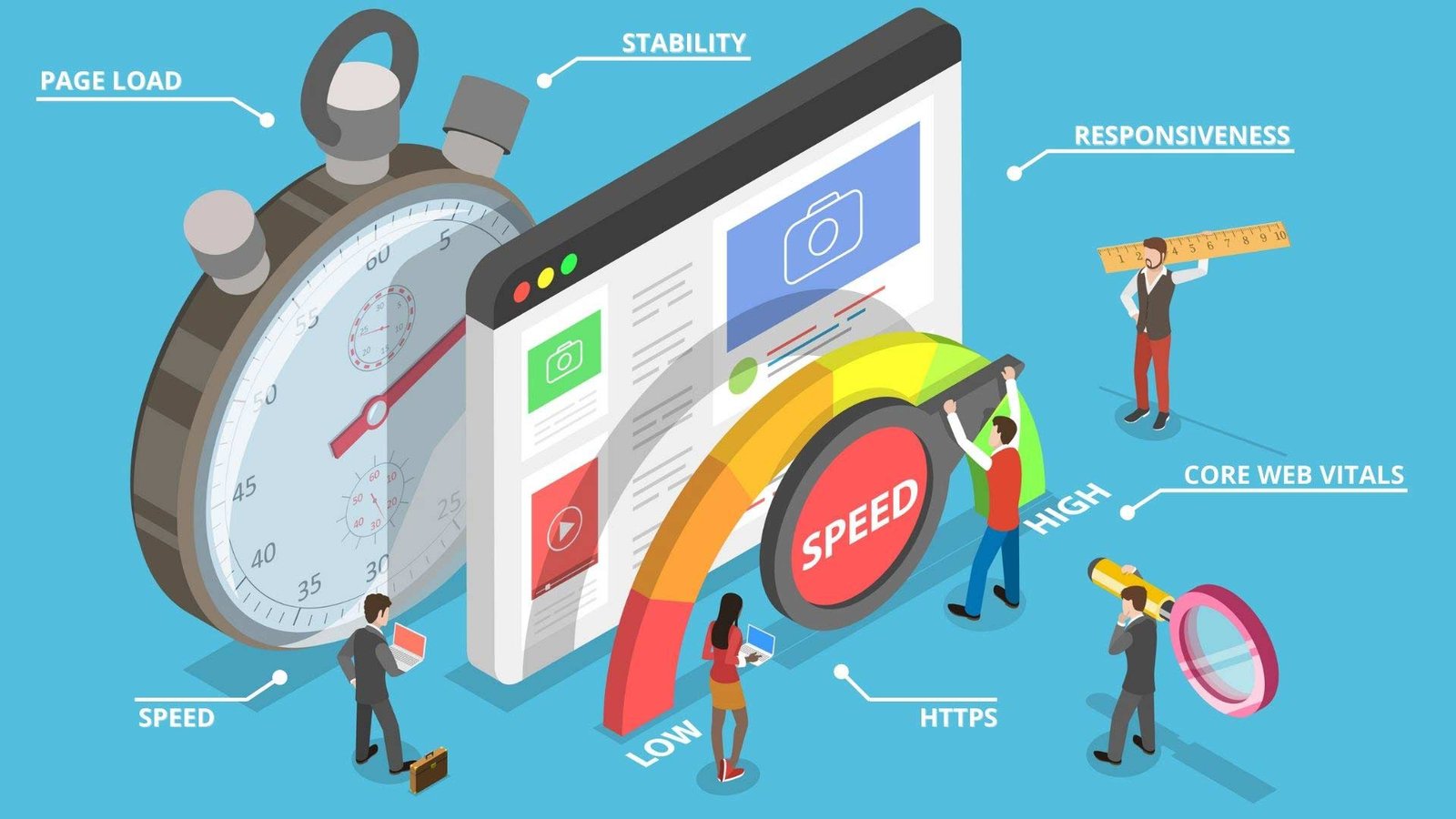
Website Speed and Performance: The Hidden Driver of Business Growth
In the digital world, speed is not just a technical metric—it is a business advantage. Users expect websites to load instantly, and even a delay of a few seconds can significantly impact engagement, retention, and conversion rates. Despite this, many businesses underestimate the importance of performance, focusing more on design and features while overlooking the underlying speed of their platforms.
A slow website does more than frustrate users—it directly affects revenue, search rankings, and brand perception. Visitors are far less likely to engage with a platform that feels unresponsive, and search engines prioritize fast-loading websites in their rankings. This makes performance optimization a critical factor not just for user experience, but for overall business growth.
Why Speed Directly Impacts Conversions
Website speed has a direct influence on user behavior and decision-making. When pages load quickly, users are more likely to stay, explore, and take action. On the other hand, slow-loading pages create friction that interrupts the user journey and increases bounce rates. Even small delays can lead to significant drops in conversions, especially in competitive markets where alternatives are easily available.
Fast performance creates a sense of reliability and professionalism, reinforcing user trust in the brand. When users experience smooth interactions, they are more confident in completing actions such as filling out forms, making purchases, or initiating contact. This makes speed a key driver of both engagement and conversion.

Every second of delay reduces trust, engagement, and the likelihood of conversion.
Common Causes of Poor Performance
Many websites suffer from performance issues due to inefficient coding practices, unoptimized media files, and lack of proper caching mechanisms. Heavy scripts, excessive plugins, and poorly structured databases can significantly slow down load times and reduce overall responsiveness. These issues often go unnoticed until they begin affecting user behavior and business outcomes.
Another major factor is the lack of scalable infrastructure. Websites that are not built to handle increased traffic often experience slowdowns during peak usage, leading to inconsistent performance. Without proper optimization and infrastructure planning, even well-designed websites struggle to maintain speed under growing demand.
Optimizing for Speed and Efficiency
Improving website performance requires a combination of technical optimization and strategic planning. Techniques such as image compression, code minification, browser caching, and content delivery networks (CDNs) help reduce load times and improve responsiveness. These optimizations ensure that users can access content quickly, regardless of their location or device.
Backend improvements, including efficient database queries and server-side optimizations, further enhance performance. By reducing processing time and improving data flow, websites can handle more users without compromising speed. This creates a stable and reliable platform that supports both current operations and future growth.
Performance as a Competitive Advantage
In a competitive digital landscape, performance can be a key differentiator. Businesses that invest in speed and optimization create better user experiences, higher engagement rates, and stronger conversion outcomes compared to slower competitors. This advantage becomes even more significant as user expectations continue to rise.
Fast websites not only improve user satisfaction but also strengthen brand perception. A smooth and responsive platform signals professionalism, reliability, and attention to detail, all of which contribute to building trust and long-term customer relationships.
Conclusion
Website speed is not just a technical detail—it is a critical factor that influences user experience, search visibility, and business performance. Ignoring performance can limit growth potential, while optimizing for speed creates opportunities for increased engagement and higher conversions.
Digitalforix helps businesses enhance website performance through structured optimization, scalable architecture, and efficient system design. By focusing on speed and reliability, organizations can create digital platforms that deliver consistent results and support long-term growth.
Leave a Reply