

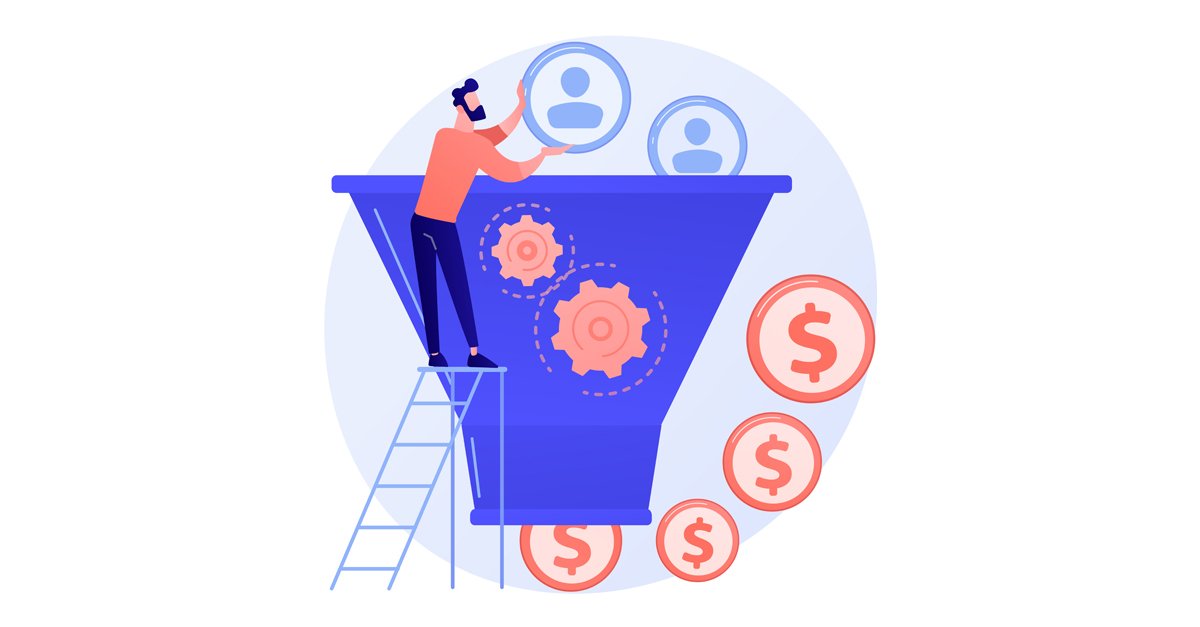
Why Most Websites Fail to Convert Visitors Into Customers
Many businesses invest heavily in driving traffic to their websites, expecting that more visitors will naturally lead to more customers. However, in reality, traffic alone does not guarantee conversions. A significant number of websites struggle to turn visitors into leads or paying customers because they fail to address the deeper factors that influence user decision-making and behavior during the browsing experience.
Conversion is not a coincidence—it is the result of intentional design, clear messaging, and a structured user journey. When these elements are missing or misaligned, even high-quality traffic fails to produce meaningful outcomes. Businesses often overlook the importance of optimizing their platforms for conversion, focusing instead on acquisition while ignoring what happens after the user arrives.
Lack of Clear Value Proposition
One of the most common reasons websites fail to convert is the absence of a clear and compelling value proposition. When users land on a website, they should immediately understand what the business offers, who it is for, and why it matters. If this clarity is missing, users lose interest quickly and leave without taking any action.
Effective websites communicate value within seconds through strong headlines, supporting content, and visual structure. Clarity builds trust, and trust drives action. Without it, even well-designed websites struggle to maintain engagement and guide users toward conversion.
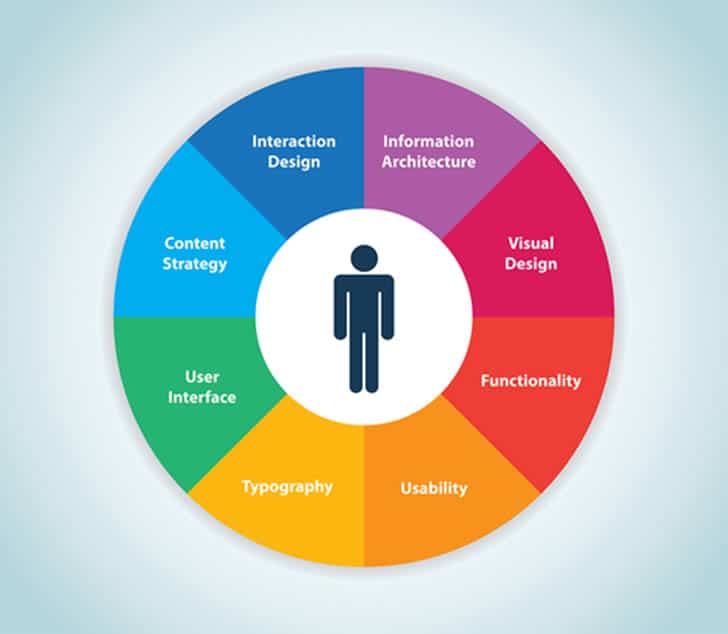
Visitors don’t convert because they arrive—they convert because the experience convinces them.
Poor User Experience and Navigation
User experience plays a critical role in determining whether visitors stay, engage, or leave a website. Slow loading speeds, confusing navigation, and cluttered layouts create friction that disrupts the user journey. When users encounter difficulty in finding information or completing actions, they are far more likely to abandon the site.
A well-structured user experience removes friction and guides users naturally toward desired actions. Clear navigation, intuitive layouts, and fast performance ensure that users can interact with the platform without confusion, increasing the likelihood of conversion.
Weak Call-to-Actions (CTAs)
Many websites fail to convert because they lack strong and clearly defined calls-to-action. Users need direction, and without it, they often leave without taking any meaningful step. Generic or poorly placed CTAs reduce the effectiveness of even the best-designed pages.
Effective CTAs are clear, visible, and aligned with user intent. Whether it is booking a consultation, filling out a form, or making a purchase, the next step should always be obvious. Strong CTAs act as conversion triggers, guiding users toward action with minimal hesitation.
Absence of Trust Signals
Trust is a critical factor in digital decision-making. Without visible proof of credibility, users hesitate to take action. Websites that lack testimonials, case studies, reviews, or professional branding often struggle to build confidence with their audience.
Adding trust signals such as client feedback, portfolio work, certifications, and clear business information significantly improves credibility. When users feel confident in a brand, they are far more likely to engage, inquire, and convert.
Conclusion
Website conversion is not achieved through traffic alone, but through a carefully designed experience that aligns user expectations with business goals. From clear messaging to seamless navigation and strong calls-to-action, every element must work together to guide users toward meaningful outcomes.
Digitalforix helps businesses transform underperforming websites into high-converting digital assets by combining user experience design, strategic structure, and performance optimization. With the right approach, websites can move beyond passive presence and become powerful engines for lead generation and business growth.
Leave a Reply